- I6NET Solutions and Technologies


Blog
September 18, 2015
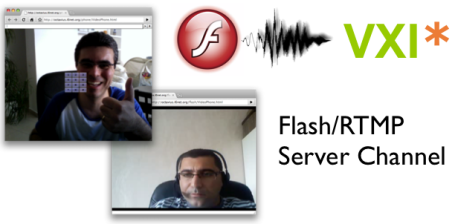
We are very pleased to unveil our new online demo service allowing you to test an IVVR (powered by a Flash/RTMP Server Channel and Video IP/3G over a VXI*/Asterisk Server) and make amazing videocalls over the web by yourself! First, you have to register your web phone to our demo-server (using a default user: guest1 or any other). Then just clic-on the “Register” button and the web phone status will be set to Online. Then you can call to any demo number entered and pressing “Call” button. The numeric keypad in the left-bottom corner can send DTMF during the calls for menus and options. Follow our instructions and try it now! URL: http://demo.i6net.org/phone/ User Guide: [download id=”153″ format=”1″ autop=”false”] Videocall Peer-to-Peer: Register using a name or number: demo1 Register using another name or number from another computer: demo2 From demo1, […]



December 24, 2013

Merry Christmas | Feliz Navidad | Joyeux Noël Warm wishes this holiday season and much success in the New Year! Nuestros mejores deseos en estas Navidades y muchos éxitos para el Año Nuevo! Nos meilleurs voeux pour ces fêtes de Noël et Nouvel An! [dt_divider style=”gap”/] Source: I6NET’s 2013 Christmas Tree… [dt_divider style=”gap”/] Follow us: [dt_divider style=”gap”/]
November 14, 2013

The President of the Community of Madrid, Ignacio Gonzalez visits the main Red Cross Video Contact Center to announce new Teleassistence services for 4.700 majors. [framed_video column=”two-thirds”]http://www.youtube.com/watch?v=9hq6jS42PDM[/framed_video] Link: http://www.youtube.com/watch?v=9hq6jS42PDM [dt_divider style=”narrow”/] Want to know more…
November 11, 2013
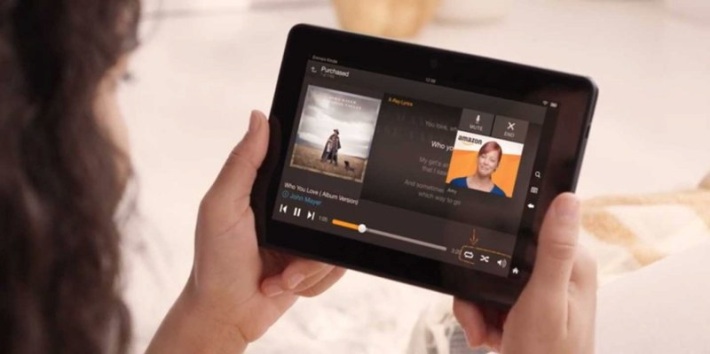
Amazon Introduces Mayday, A Unique And Amazingly Useful Live Tech Support System For Kindle [TechCrunch] Live support has always been a dream for major retailers. While chat solutions already exist, today Amazon announced a new support service available on Kindle HD products called Mayday. It is a single-click, hardware-support solution that lets users work with a remote tech support representative to solve problems with their tablets. The service allows you to see the remote tech support person in a small window on your screen and also displays your screen on the support person’s computer where they can watch what you’re doing online, annotate the screen, and even tap through the interface. Amazon CEO Jeff Bezos said it’s like “actually very similar to having someone standing next to you” and offering tech support. […] Source: Amazon Introduces Mayday – 2013 […]
January 16, 2013
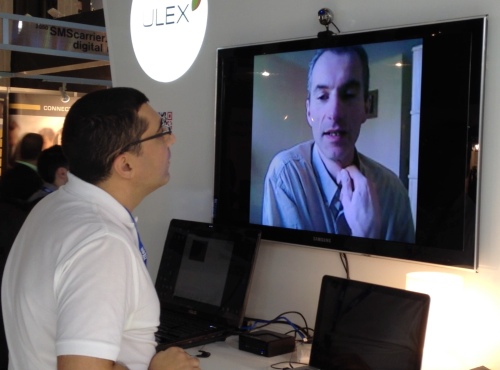
Photo: I6NET’s team using our Vxi*/RTMP systems for RTC with video HD, at MWC2012 Booth [dt_divider style=”gap”/] A clear definition of Real-time communications is important to understand what will be the newest evolution of Internet applications and services for businesses and individuals. All is moving around to more real-time, more video, better sound quality, better screen resolution, easier human-interfaces… RTC technology helps to share together most of our senses thru digital networks at light’s speed: Real-time communications (RTC) is any mode of telecommunications in which all users can exchange information instantly or with negligible latency. In this context, the term “real-time” is synonymous with “live.” RTC can take place in half-duplex or full-duplex modes. In half-duplex RTC, data can be transmitted in both directions on a single carrier or circuit but not at the same time. In full-duplex RTC, […]
December 24, 2012
Merry Christmas Warm wishes this holiday season … and much success in the New Year! [dt_divider style=”double-gap”/] Feliz Navidad Nuestros mejores deseos en estas Navidades … y muchos éxitos para el Año Nuevo! [dt_divider style=”double-gap”/] Joyeux Noël Nos meilleurs voeux pour ces fêtes de Noël … et Nouvel An! [dt_divider style=”double-gap”/] Follow us: [dt_divider style=”gap”/]
November 16, 2012
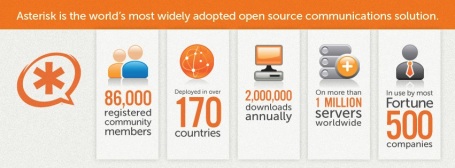
Asterisk is the most important and successful open source project in Telephony… 86,000 registred community members 170 countries 2 Millions downloads annualy On more than 1 Million servers worldwide In use by most Fortune 500 companies Congratulations!